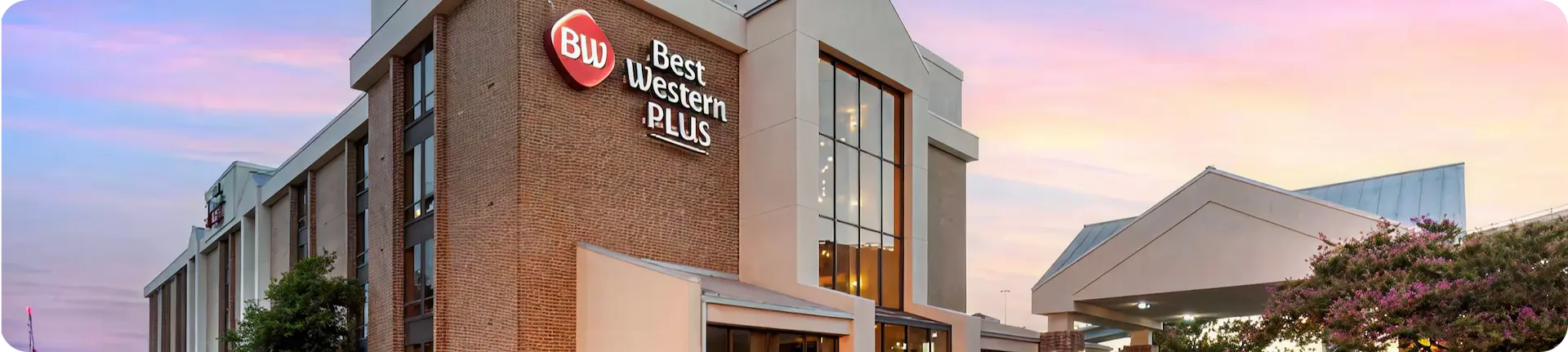
A hotel developer in Phoenix acquired a hotel site in November. The permanent construction loan was in underwriting — well-structured deal, flagged project, strong pro forma — but the bank's closing timeline was 90 days out. The seller had another buyer at 30 days. The developer used a bridge construction loan to acquire the land, close in 21 days, and hold the site through the permanent construction loan closing. The bank-financed construction loan closed on schedule two months later, the bridge was paid off, and the project broke ground.
That's the use case bridge financing was built for: a time-sensitive situation where a well-structured deal can't wait for a conventional timeline. Hotel construction bridge loans serve two specific scenarios — predevelopment financing before a permanent construction loan is ready, and rescue capital when a project mid-construction has lost its lender. Understanding which scenario applies to your situation determines whether bridge financing solves your problem or creates a more expensive one.
Key Takeaways
- Hotel construction bridge loans close in 21–45 days — compared to 60–90 days for conventional bank construction loans
- Two distinct use cases: predevelopment bridge (land acquisition + entitlement before permanent financing) and rescue capital (mid-construction lender replacement)
- Asset-based underwriting means less emphasis on borrower credit history and more emphasis on the project's viability and exit
- Bridge construction financing runs at 7.5–10%+ — significantly above conventional bank rates — and is appropriate when speed or flexibility justifies the premium
- The exit from a bridge construction loan is always the permanent construction loan or, for completed projects, permanent debt — plan it from day one
What a Hotel Construction Bridge Loan Is (and Isn't)
A hotel construction bridge loan is a short-term, flexible financing instrument designed to address a specific timing or credit gap — not a permanent replacement for a conventional construction loan. Like all bridge loans, it's a first position lien on the subject property, funded by private credit or specialty lenders rather than conventional banks, and structured with an interest reserve rather than monthly debt service payments during the construction period.
The "bridge" in hotel construction bridge refers to bridging the gap between a developer's current situation and the permanent construction financing that will fund the project long-term. That gap is almost always one of two things: a timing problem (the permanent loan isn't ready yet but the developer needs to act now) or a qualification problem (the deal doesn't fit the conventional bank credit box but has a viable path forward with a more flexible lender).
Bridge construction loans are not cheaper than bank construction loans. They are faster, more flexible, and accessible to a wider range of deal profiles — at rates that reflect those advantages. Developers who use bridge financing when bank financing is available and accessible are paying a premium they don't need to. Bridge financing earns its premium when the situation genuinely requires it.
Use Case 1: Predevelopment Bridge Loans
Predevelopment bridge financing covers the period between site acquisition and the start of a full construction loan. This is the most common hotel construction bridge scenario — a developer who has identified a site, secured or is pursuing brand approval, and needs to control the property while the permanent construction financing process runs its course.
The Site Acquisition Problem
Hotel sites — particularly in primary markets, high-demand corridors, or limited-supply urban submarkets — don't wait for conventional bank timelines. A seller with multiple interested buyers will take the buyer who can close in 30 days over one who needs 90. The developer who loses the site while waiting for a bank construction loan approval loses the deal.
A predevelopment bridge loan closes in 21–45 days, using asset-based underwriting focused on the site value, the developer's demonstrated ability to execute the hotel project, and the exit path into the permanent construction loan. It's not underwriting the completed hotel's NOI — it's underwriting the land position and the developer's credibility to deliver the permanent financing within the bridge term.
Land Carry and Entitlement Bridge
Some predevelopment bridge situations involve property that requires entitlement work before a permanent construction loan is feasible: zoning changes, conditional use permits, environmental approvals, or brand-specific site plan requirements. A land-carry bridge loan finances the acquisition and holds the site while the developer completes the entitlement process, with the exit into the permanent construction loan upon entitlement approval.
Entitlement timelines vary significantly by jurisdiction — 6 months in a streamlined market, 18+ months in jurisdictions with complex review processes. Developers taking a land-carry position need to understand the entitlement timeline and ensure the bridge term (with extension options) covers the full process with margin.
Gap Financing During Construction Loan Underwriting
In some cases, a developer has a permanent construction loan in underwriting at a conventional bank — term sheet issued, underwriting in process — but needs to make progress payments on the GC contract or early site work while the bank loan closes. A construction bridge loan can fund these early-stage payments against the bank's commitment letter, with the bridge paid off from the first draw of the bank construction loan.
Use Case 2: Rescue Capital for Hotel Projects in Distress
The second hotel construction bridge scenario is more urgent and more complex: a hotel project mid-construction that has lost its senior lender. This is rescue capital — bridge financing that replaces the original construction loan, completes the build, and bridges the completed hotel to permanent financing.
Construction lender failures — or lenders who exit a project due to covenant violations, construction cost overruns, or the lender's own portfolio problems — create a specific kind of distress. A partially completed hotel is worth less than its invested construction cost. It can't generate revenue. It requires continued construction spending to reach a point of value. But the original lender is out.
Hotel rescue capital lenders evaluate these situations differently from standard construction financing:
Completed work vs. remaining work: The lender assesses how much of the project is complete (verified by a construction consultant), what the projected cost to complete is, and what the as-completed value looks like relative to the total invested capital.
Why the original lender exited: A lender who exited due to their own portfolio constraints (regulatory capital requirements, portfolio concentration limits) is a different situation from a lender who exited because the developer failed a covenant or the project ran over budget by 30%. The reason matters for underwriting the rescue position.
Developer's liquidity position: Developers in mid-construction distress often have limited liquidity — they've deployed equity into a project that isn't performing. Rescue capital lenders assess whether the developer can continue to participate in the project or whether they need to bring in additional equity as part of the recapitalization.
Rescue capital for hotel construction typically prices at the high end of the bridge range — 9–11%+ — reflecting the distress premium and the complexity of stepping into a partially completed project.
How Hotel Construction Bridge Loans Are Underwritten
Bridge construction lenders underwrite asset first, borrower second. This is the defining difference from conventional bank construction underwriting and the reason bridge financing is accessible to a wider range of developers.
Site value and project viability: The lender's primary security is the land (for a predevelopment bridge) or the partially completed construction (for rescue capital). The underwrite centers on whether this asset is worth the loan position if the developer defaults and the lender needs to recover from the collateral.
Developer credibility and exit plan: For predevelopment bridges, the exit is the permanent construction loan — the lender is underwriting whether you can actually close that loan. A developer who has a term sheet from a bank, has a signed franchise agreement, and has a complete loan package in underwriting is a much more credible predevelopment bridge candidate than one who has "been talking to some banks."
Asset-based underwriting advantages: Bridge lenders do not require two years of US tax returns from the operating entity, domestic credit history for the borrowing LLC, or the full bank documentation package. For international hotel developers — particularly GCC-based developers building under IHG flags — this flexibility is often decisive. The bridge lender can close on the project on the strength of the site, the developer's international track record, and the clear exit path into the AVANA-IHG program or other permanent construction financing.
Speed and process: AVANA's bridge program, backed by a joint venture with Oaktree Capital, is structured specifically for the commercial real estate decisions that have to happen fast. The 21–45 day closing timeline requires a complete, organized submission package — site information, developer background, exit strategy, any existing commitment letters or term sheets — but doesn't require the full underwriting package that a bank construction loan demands upfront.
Hotel Construction Bridge Loan vs. Conventional Construction Loan
Factor — Bridge Construction Loan
Closing timeline — 21–45 days
Rate — 7.5–10%+
LTC — 65–75%
Documentation — Streamlined; asset-based
Sponsor flexibility — First-time developers, international sponsors
Best for — Time-sensitive situations, credit-box flexibility, rescue capital
The decision between bridge and conventional bank construction financing is a function of your situation — not a preference. If you have time, a bank relationship, and a deal that fits the bank credit box, the conventional loan produces better economics. If you have a time constraint, a credit profile that doesn't fit the bank box, or an urgent situation, the bridge premium buys you what you need.
The Exit from a Hotel Construction Bridge Loan
Bridge construction loans mature. Planning the exit from day one is not optional — it's the entire thesis of the loan.
For predevelopment bridges, the exit is the permanent construction loan. The timeline for that exit must be known and credible when the bridge closes. A developer who takes a 12-month predevelopment bridge needs a reasonable expectation that the permanent construction loan will close within that 12 months, with a buffer for delays.
For rescue capital situations, the exits are: completion of construction and refinance into a permanent mortgage using the hotel's actual operating history, or sale of the completed property.
Extension options in hotel construction bridge loans provide a safety valve for timeline delays — most programs offer one or two six-month extensions at a pre-agreed fee. These extensions buy time but don't replace the fundamental requirement: the exit must be real and must be funded.
For developers evaluating hotel construction financing — whether a predevelopment bridge, a permanent construction loan, or the AVANA-IHG program for IHG-branded projects — review our complete hotel construction financing guide for the full landscape. If you have a time-sensitive situation that requires a faster-moving financing solution, submit your deal for review and our team will assess bridge eligibility and structure.
Frequently Asked Questions
Conclusion
Hotel construction bridge loans are a precision tool — useful in specific situations and expensive when used where they aren't needed. Predevelopment financing that allows a developer to control a time-sensitive site while the permanent construction loan closes, and rescue capital that replaces a failed construction lender and completes a project in distress, are the two scenarios where bridge financing earns its premium.
AVANA Capital's bridge program, backed by a $250MM joint venture with Oaktree Capital, closes in 21–45 days on deals that warrant it. If your hotel project has a timing constraint, a credit profile that doesn't fit a conventional bank, or a rescue capital need, submit your deal for review and our team will assess the situation and outline a structure. For the complete picture of hotel construction financing options — from conventional bank loans to the AVANA-IHG program — see our hotel construction financing guide.